The breath is the only function of the autonomic nervous system that we can consciously control. That is why the yogis of old called it the bridge between body and mind — and why modern science is so interested in pranayama.
How stress lives in the breath
When we are stressed, breathing becomes fast, shallow and high in the chest. This pattern signals danger to the brain and keeps the body in “fight-or-flight”. Slowing and deepening the breath sends the opposite message: you are safe.
Three pranayamas for everyday calm
- Nadi Shodhana (alternate nostril breathing): balances the mind and improves focus. Practise 5–10 rounds.
- Bhramari (bee breath): the gentle humming vibration soothes the nervous system and is wonderful before sleep.
- Extended exhalation: breathe in for 4 counts and out for 6–8 counts. A longer exhale activates the parasympathetic “rest-and-repair” response.
What the research suggests
Studies on slow yogic breathing report reductions in perceived stress, improved heart-rate variability and better sleep. The key is regularity — a few minutes every day matters more than a long session once a week.
Breathe slowly, and the mind follows.
Getting started
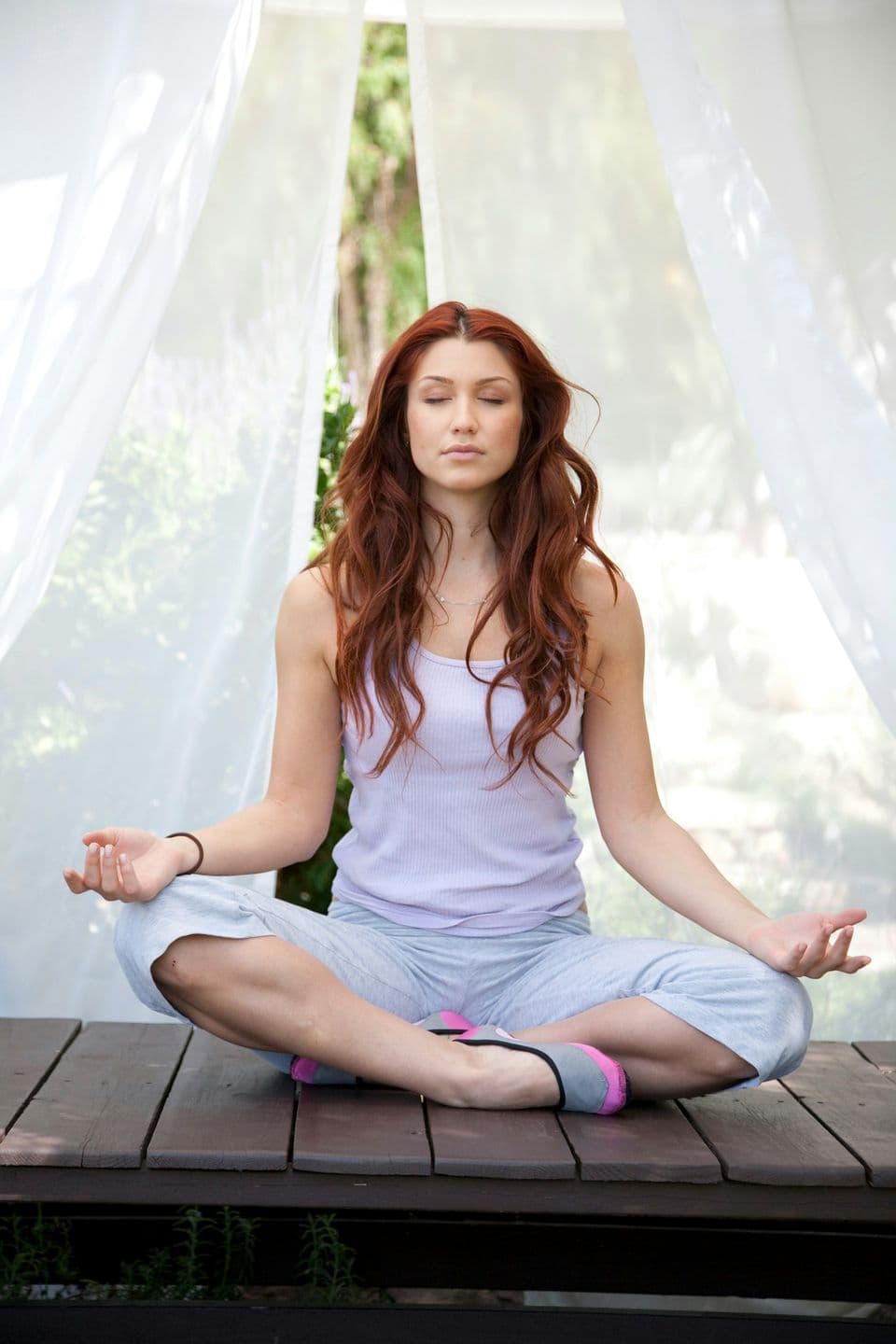
Sit comfortably with a tall spine, practise on an empty stomach and never strain. If you have high blood pressure, heart disease or are pregnant, avoid breath retention and fast breathing techniques unless guided by a qualified therapist.