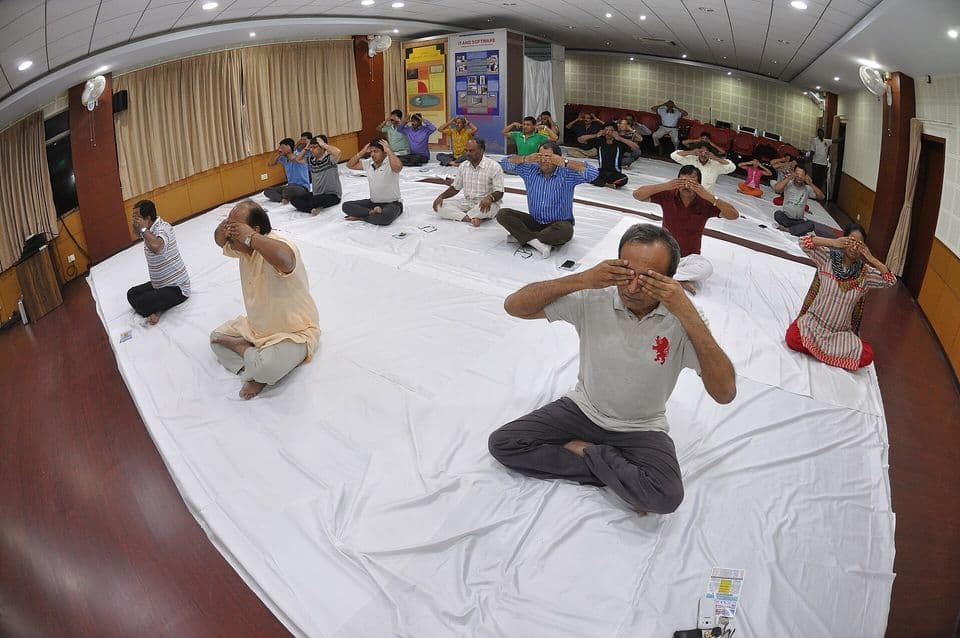
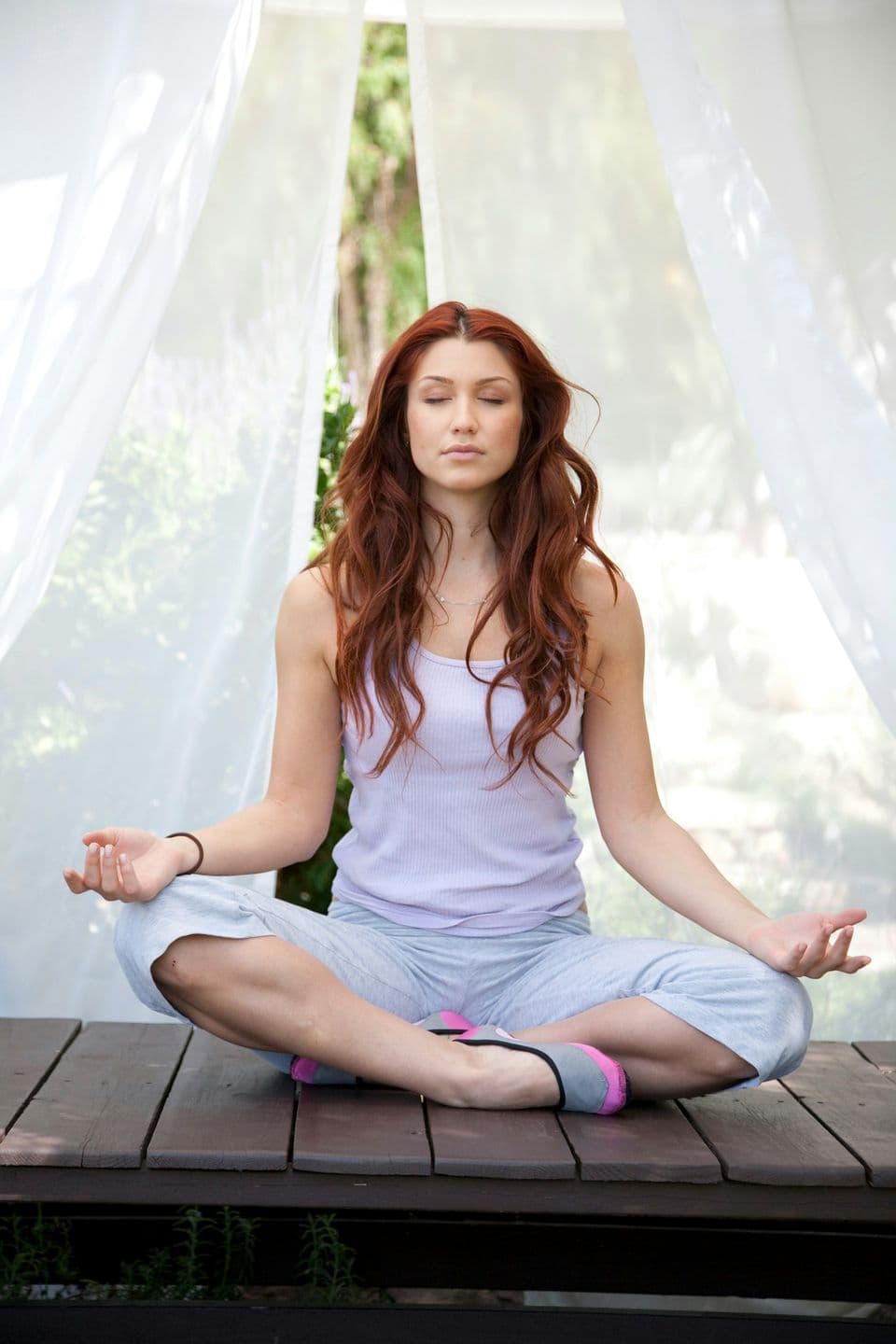
Yoga was never only a physical practice. Patanjali defined it as “yogaś citta vṛtti nirodhaḥ” — the settling of the fluctuations of the mind.
The body–mind loop
Movement releases tension stored in muscles, breath work regulates the nervous system, and meditation trains attention. Together they create a positive loop: a calmer body supports a calmer mind, and vice versa.
What the evidence shows
Research reviews suggest regular yoga practice may help reduce symptoms of anxiety and depression, improve sleep and increase feelings of well-being — particularly when practised consistently over 8–12 weeks.
Practical tools
- Grounding poses like Tadasana and Vrikshasana for anxious days.
- Gentle backbends like supported bridge to lift low mood.
- Yoga Nidra to rest a tired nervous system.
- Loving-kindness meditation to soften self-criticism.
Yoga is a powerful complement to professional mental-health care — not a replacement. If you are struggling, please reach out to a doctor or counsellor, and let yoga support your journey.